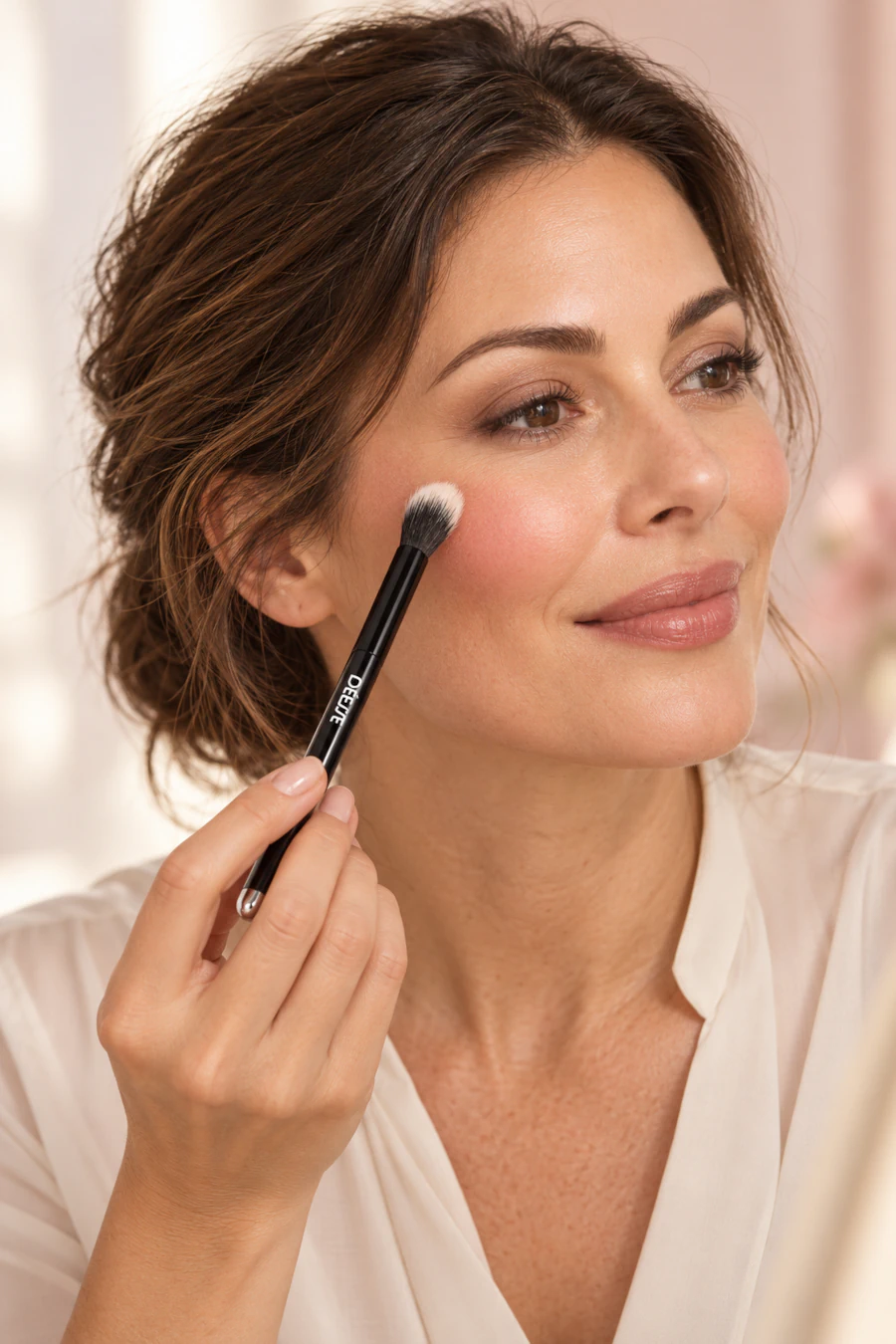
Skin feel
Tightness, burning or tingling
Skin may feel uncomfortably tight or react to skincare, cleansing and external factors with burning or tingling.
Inquiries and orders can be sent via email or WhatsApp.
Phone: Mon - Fri 10:00 - 18:00
Consulting & Sales
Regine Grosch
Gütersbachweg 10
75323 Bad Wildbad
Questions or order?
+49 (0)178 72 48 163
reginegrosch@gmail.com
You are looking for cosmetics for skin and facial care or Nutritional supplement and do you have any questions about it? Solutions to most requirements are compiled on the "Guidance" pages. From there you can get to the recommended products, which can either be found in the Deesse Online Shop or can be ordered directly from me.
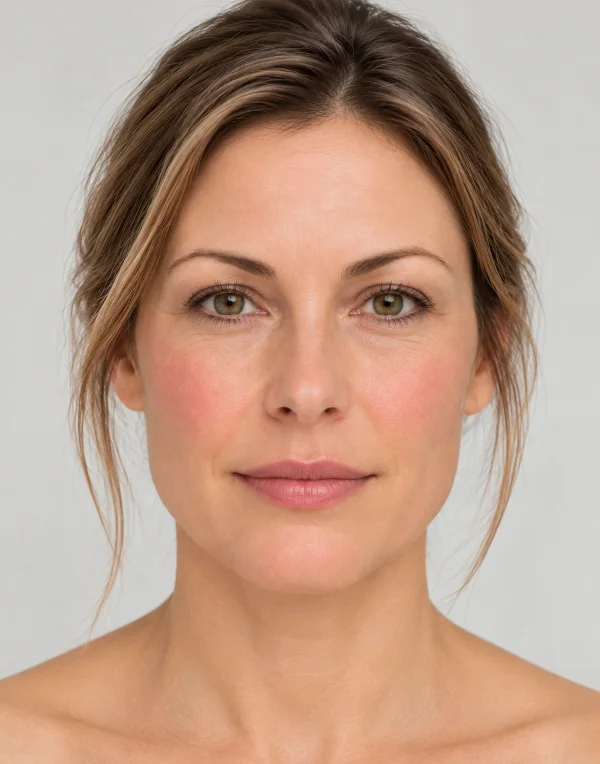
GUIDANCE · SKIN TYPES
Tightness, burning, tingling or sudden redness: sensitive skin often reacts more noticeably to environmental factors, skincare products or changes to your routine.
The answer is not to use as many active ingredients as possible. A gentle, manageable routine that avoids unnecessary irritation and respects the skin barrier is often the better foundation.
Recognising sensitive skin
Sensitive skin responds more quickly and intensely to factors that barely affect other skin types.
This may show as visible redness, but sensitive skin often makes itself known first through how it feels. Tightness, burning or tingling are typical signs that your skin is reacting more sensitively than usual.
Skin feel
Skin may feel uncomfortably tight or react to skincare, cleansing and external factors with burning or tingling.
Redness
Heat, cold, wind, friction or new skincare products can trigger temporary redness or make existing redness more noticeable.
Skincare products
A product that initially feels comfortable may become unpleasant later. An elaborate routine also makes it harder to identify exactly what your skin is reacting to.
Environmental factors
Cold air, dry indoor heating, sunshine or sudden temperature changes can alter how skin feels and intensify sensitive reactions.
Sensitive skin is not necessarily dry skin. Normal skin, combination skin and mature skin can also be sensitive. Skincare should therefore suit both your underlying skin type and your current level of sensitivity.
Understanding your skin
Our skin forms a natural protective barrier between the body and its environment. When this barrier is out of balance, external influences may be felt more intensely or uncomfortably.
Sensitive skin is not necessarily a permanent condition. Sometimes skin is more reactive only temporarily, for example after trying an unfamiliar product, during sudden weather changes or when an overly intensive routine has put it under extra strain.
For other people, increased sensitivity is a lasting characteristic. The key is to pay attention to your skin's reactions and adapt your routine accordingly.
Skin barrier
When the skin barrier is compromised, skin may retain moisture less effectively and react more strongly to external influences. Dryness, tightness and increased irritation can occur together.
Skincare routine
Frequently changing products, using numerous active ingredients or cleansing too intensively can place additional strain on sensitive skin. A simpler routine also makes it easier to discover what suits your skin.
Environment
Cold, wind, dry indoor heating, intense sunshine and rapid temperature changes can challenge sensitive skin. Its skincare needs may therefore vary throughout the year.
Individual differences
Skin condition, lifestyle and individual sensitivities all play a part. Something that works well for one person may feel uncomfortable on another person's skin.
Sensitive skin does not automatically need more products. It is often more important to leave out anything that causes irritation and find a routine that suits your skin and its current condition.
Sensitive skin or something more?
Temporary redness can be common with sensitive skin. However, when redness becomes more frequent or small blood vessels are visible, particularly on the cheeks and nose, this is often referred to as couperose.
It is important to distinguish between sensitive skin, couperose and rosacea. They are not the same, even though some visible signs can look similar.
The term couperose is often used for persistent or recurring facial redness and fine visible blood vessels. These are particularly noticeable around the cheeks and nose.
Such skin may also be highly reactive. A simple skincare routine, gentle cleansing and minimal rubbing are usually a better cosmetic starting point.
Extreme heat, cold, wind and sudden temperature changes can also make redness more noticeable and alter how skin feels.
Rosacea is a chronic inflammatory skin condition. Symptoms may include persistent redness, visible blood vessels, burning or inflammatory-looking changes on the face.
Persistent or severe redness, pustules, burning, itching or other unusual skin changes should be assessed by a dermatologist.
If rosacea is suspected, a dermatologist should first establish the diagnosis and advise on suitable treatment. Cosmetic skincare can then be chosen as a complementary measure according to individual tolerance.
Your skincare routine
Sensitive skin does not require a complicated routine. A few carefully matched steps are often a better basis for skin that feels comfortable and balanced.
Where possible, introduce new products one at a time and observe how your skin responds. This makes it easier to see what helps and what may be too much.
Cleansing
Cleansing should remove make-up, dirt and excess sebum without putting skin under unnecessary strain. Very hot water, vigorous rubbing or harsh, stripping cleansers may increase irritation.
Use lukewarm water and gently pat skin dry instead of rubbing it.
Preparation
Facial toners, essences and serums can be useful additions but are not compulsory. For sensitive skin, suitability and tolerance matter more than the number of products.
Add extra steps only when they address a specific skincare need.
Everyday moisturising
A suitable face cream should provide hydration and care without feeling uncomfortable. The right texture also depends on whether your sensitive skin is dry, normal or combination skin.
Sensitivity alone does not define your whole skin type. Everyday moisturising should suit the rest of your skin's characteristics too.
Special treatments
Exfoliators, masks, serums and other treatments should be selected carefully for sensitive skin. Introducing several new active ingredients at once makes it hard to identify the cause of any reaction.
Try one new product at a time and give your skin time before changing the routine again.
Daytime care
UV radiation affects all skin types. Particularly when your skin is prone to redness or sensitive reactions, suitable sun protection is an important part of a thoughtful daytime routine.
If rosacea has been diagnosed, coordinate your daily skincare, including sun protection, with your dermatologist's recommendations.
Things to avoid
When skin is sensitive, it can be tempting to respond to every change by adding another product. Often, however, that makes the routine more complicated rather than easier to tolerate.
A calm, consistent routine helps you understand your skin's reactions and avoid unnecessary irritation.
Harsh, stripping cleansers, very hot water and vigorous rubbing can irritate skin further and increase tightness or redness.
If you introduce several products at the same time, it is difficult to establish which one caused a reaction.
Not every temporary skin reaction requires another specialist treatment. Sometimes simplifying your routine and giving your skin time is the better approach.
Frequent exfoliation or several strong active ingredients in quick succession may be too much for sensitive skin. Suitable products and appropriate use are what matter.
A rich cream is not automatically the right answer. Sensitive skin may also be normal, mature or combination skin.
If pronounced redness, burning or other unusual changes persist, do not keep experimenting with cosmetics. Seek a dermatological assessment instead.
A longer product list does not automatically make a better routine for sensitive skin. A few suitable steps and careful attention to your skin's reactions are often the more sensible strategy.
Choosing skincare carefully
For sensitive skin, there is no single miracle ingredient. What matters is choosing products that suit your skin's current condition and are well tolerated.
Hydration, nourishing lipids and a simple routine can provide a good foundation. More intensive ingredients should be used deliberately rather than combined indiscriminately.
Hydration
Humectants such as glycerine can help bind water in the upper layers of skin. This is especially useful when sensitive skin also feels dry or tight.
Important: Dehydrated skin does not automatically need a particularly rich cream. Consider the overall skin condition.
Lipids
Lipids form part of the natural skin barrier. Nourishing oils, fats and other lipid-rich ingredients can be useful when sensitive skin is also dry or lacking in lipids.
What matters: Choose a texture that suits your skin type, from lighter skincare to a richer cream.
Soothing skincare
A straightforward formulation may be useful for sensitive skin. The key is that it feels comfortable and does not expose skin to a constant stream of unfamiliar active ingredients.
A good principle: Introduce new skincare one product at a time and observe your skin's response.
Intensive ingredients
Acid exfoliators, mechanical scrubs and other intensive treatments are not necessarily unsuitable for sensitive skin. However, frequency, concentration and individual tolerance are particularly important.
If in doubt: Do not try several intensive products at the same time. If your skin reacts significantly, stop using the product and investigate the cause.
Removes dirt and make-up without unnecessarily stripping the skin or causing mechanical irritation.
Can complement cleansing. For sensitive skin, individual tolerance should be the priority.
Whether you choose a light or rich formula depends not only on sensitivity, but also on whether your skin is dry, normal, mature or combination skin.
A serum, mask or eye product can complement everyday care when there is a specific need and the product is well tolerated.
No single ingredient automatically makes a product suitable for sensitive skin. Skin condition, formulation, application and individual tolerance must all be considered together.
Find the right skincare
Above all, sensitive skin needs products suited to its actual condition. Skin can be sensitive while also being dry, normal, mature or combination skin.
That is why the Déesse skincare collection offers a considered selection of complementary products for different skin conditions and needs, rather than a rigid, one-size-fits-all routine.
For sensitive skin, choosing carefully is better than using as many products as possible. The right skincare also depends on what your skin needs beyond managing its sensitivity.
Frequently asked questions
Sensitive skin varies from person to person. Certain questions arise particularly often, especially when skin suddenly reacts differently from usual.
No. Sensitivity describes how readily and strongly your skin reacts to particular factors. Sensitive skin may also be dry, normal, mature or combination skin. Your routine should take both aspects into account.
Yes. Combination skin can also experience redness, burning, tingling or tightness. A particularly rich cream is not necessarily the answer. Choose skincare that suits both combination skin and its sensitivity.
Avoid introducing several new products at once. Add them to your routine individually and observe how your skin responds. That makes it easier to identify a product that may not agree with your skin.
Sensitivity may also be temporary. Weather changes, dry indoor heating, intense sunshine, unfamiliar skincare or overly frequent or intensive treatments can change how skin feels.
If pronounced symptoms appear suddenly or persist, seek medical advice to establish the cause.
If redness persists, repeatedly becomes pronounced, is accompanied by visible blood vessels or inflammatory-looking changes, or your skin continues to burn and feel uncomfortable, a dermatological assessment is advisable.
Such symptoms may have different causes. They should not be diagnosed or treated solely by changing cosmetic products.
Sensitive skin describes skin that reacts readily to environmental factors or skincare. Rosacea, by contrast, is a chronic inflammatory skin condition.
Some signs can look similar, so redness alone cannot establish a diagnosis of rosacea. If you suspect it, consult a dermatologist. Cosmetic skincare can complement medically recommended treatment but cannot replace it.
We use cookies on our website. Some of them are essential, while others help us to improve this website and your experience. You can find more information about this and your rights as a user in our data protection declaration at the bottom of the page.
| Domainname: | ds-kosmetik-wellness.de |
| Ablauf: | 30 Tage |
| Speicherort: | Localstorage |
| Beschreibung: | Speichert die Privacy Level Einstellungen aus dem Cookie Consent Tool "Privacy Manager". |
user_privacy_settings_expires
| Domainname: | ds-kosmetik-wellness.de |
| Ablauf: | 30 Tage |
| Speicherort: | Localstorage |
| Beschreibung: | Speichert die Speicherdauer der Privacy Level Einstellungen aus dem Cookie Consent Tool "Privacy Manager". |
ce_popup_isClosed
| Domainname: | ds-kosmetik-wellness.de |
| Ablauf: | 30 Tage |
| Speicherort: | Localstorage |
| Beschreibung: | Speichert, dass das Popup (Inhaltselement - Popup) durch einen Klick des Benutzers geschlossen wurde. |
onepage_animate
| Domainname: | ds-kosmetik-wellness.de |
| Ablauf: | 30 Tage |
| Speicherort: | Localstorage |
| Beschreibung: | Speichert, dass der Scrollscript für die Onepage Navigation gestartet wurde. |
onepage_position
| Domainname: | ds-kosmetik-wellness.de |
| Ablauf: | 30 Tage |
| Speicherort: | Localstorage |
| Beschreibung: | Speichert die Offset-Position für die Onepage Navigation. |
onepage_active
| Domainname: | ds-kosmetik-wellness.de |
| Ablauf: | 30 Tage |
| Speicherort: | Localstorage |
| Beschreibung: | Speichert, dass die aktuelle Seite eine "Onepage" Seite ist. |
view_isGrid
| Domainname: | ds-kosmetik-wellness.de |
| Ablauf: | 30 Tage |
| Speicherort: | Localstorage |
| Beschreibung: | Speichert die gewählte Listen/Grid Ansicht in der Demo CarDealer / CustomCatalog List. |
portfolio_MODULE_ID
| Domainname: | ds-kosmetik-wellness.de |
| Ablauf: | 30 Tage |
| Speicherort: | Localstorage |
| Beschreibung: | Speichert den gewählten Filter des Portfoliofilters. |
Eclipse.outdated-browser: "confirmed"
| Domainname: | ds-kosmetik-wellness.de |
| Ablauf: | 30 Tage |
| Speicherort: | Localstorage |
| Beschreibung: | Speichert den Zustand der Hinweisleiste "Outdated Browser". |
Hit enter to search or ESC to close